
Ultimate Guide to Wedding Event Planning: Crafting the Day of Your Dreams

Wedding season is here, and whether you’re a bride, groom, or a professional wedding planner, this is one of the most exciting times of the year. With all the details that need to come together to make the big day a reality, wedding planning can feel overwhelming at times. But with a little organization, the right mindset, and the help of the right vendors, it can be an exciting and memorable process.
In this ultimate guide, we’ll cover everything you need to know about wedding event planning—from getting started with your vision, budget, and timeline to managing the event on the day-of. Let’s dive into the essential steps to help you craft a beautiful, seamless celebration.
Step 1: Define Your Wedding Vision
Before diving into any specifics, take a moment to think about what you want your wedding day to feel like. Are you dreaming of an elegant, formal affair or a more laid-back, rustic gathering? The clearer your vision, the easier it will be to choose the right vendors and make decisions on style, decor, and more.
Here are a few questions to guide you:
- What is your overall theme or aesthetic? (boho, classic, modern, etc.)
- Do you have a color scheme in mind?
- What type of ceremony and reception do you envision? (formal, intimate, destination, indoors/outdoors)
- Are there any traditions or special touches you’d like to include?
Creating a mood board on Pinterest or collecting inspiration from wedding blogs can help you narrow down your vision and share it with your planner or vendors.
Step 2: Set Your Budget
Once you’ve got a vision, it’s time to figure out how much you’re willing and able to spend. Wedding costs can add up quickly, so it’s crucial to set a budget early and prioritize your spending.
Here are a few general guidelines for budgeting:
- Venue: 40-50% of your total budget
- Catering: 20-30%
- Attire: 10-15%
- Decor: 10%
- Photography/Videography: 10%
- Entertainment: 5-10%
- Miscellaneous: 5%
Remember that while you want to allocate money for all aspects of the wedding, you can always find ways to get creative with your choices, such as DIY décor or choosing a photographer that also offers a video package.
Step 3: Create a Timeline
A wedding timeline is one of the most important tools for ensuring that everything runs smoothly. Start by breaking the planning process into manageable chunks, and create deadlines for each task.
Here’s a basic timeline to guide you:
- 12+ Months Before: Set your budget, choose a venue, hire a planner (if desired), select the bridal party, and start looking for dresses.
- 9-12 Months Before: Book your vendors (photographer, caterer, florist, etc.), secure transportation, and finalize your guest list.
- 6-9 Months Before: Choose attire (wedding dress, bridesmaids’ dresses, suits), order invitations, and book entertainment.
- 3-6 Months Before: Finalize your wedding menu, schedule hair and makeup trials, and confirm all vendor details.
- 1-3 Months Before: Send out invitations, finalize seating arrangements, and confirm day-of details.
- 1 Month Before: Confirm RSVP list, schedule rehearsal, finalize timeline, and get marriage license.
- 1 Week Before: Final checks with all vendors, pack an emergency kit for the day-of, and enjoy a little relaxation before the big day.
Step 4: Choose Your Vendors Carefully
The vendors you hire will set the tone for your wedding day. Do your research, read reviews, and schedule consultations to ensure you’re hiring professionals who align with your vision.
Key wedding vendors to consider:
- Venue: The place where your ceremony and reception will take place. Look for a location that reflects your style, accommodates your guest count, and fits within your budget.
- Caterer: A memorable meal will leave a lasting impression. Sample menus and discuss dietary restrictions with potential caterers.
- Photographer/Videographer: Your wedding photos are timeless keepsakes, so make sure to hire a photographer whose style matches your vision.
- Florist: Flowers are essential for creating a romantic atmosphere. Work with your florist to bring your vision to life.
- Entertainment: From live bands to DJs, choose entertainment that keeps your guests dancing all night long.
Step 5: Coordinate Details and Create a Day-Of Timeline
The devil’s in the details, and proper coordination is key to a smooth day. A well-organized day-of timeline helps ensure everything runs smoothly, from hair and makeup to the final send-off.
Your timeline should include:
- Hair and makeup schedule: Ensure your bridal party and key family members know when they need to be ready.
- Arrival times for vendors: Make sure your photographer, florist, and other vendors arrive early to set up.
- Ceremony timeline: Include the start time, processional order, readings, vows, and other details.
- Reception timeline: Outline when the cocktail hour, speeches, dinner, and dancing will take place.
This detailed timeline can be shared with your wedding coordinator or a trusted friend or family member, so they can manage the logistics on the day-of.
Step 6: Don’t Forget the Wedding Favors and Decor
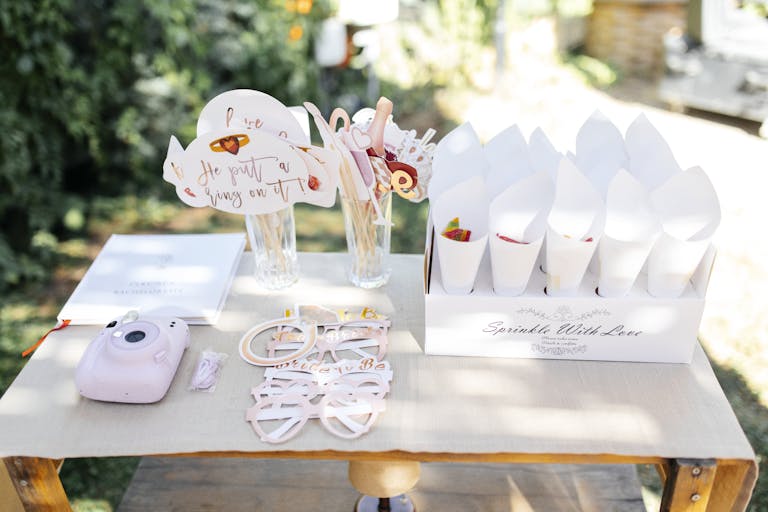
Wedding favors are a sweet way to show appreciation to your guests. Consider creating something personal that reflects your wedding theme. Some popular options include:
- Custom candles or soap
- Personalized mini bottles of wine or champagne
- Edible treats like cookies or chocolates
For decor, be sure to focus on:
- Centerpieces: Flowers, candles, or unique items that match your theme.
- Lighting: String lights, chandeliers, or uplighting can transform your space.
- Signage: Directional signs, welcome boards, or seating charts to guide your guests.
Step 7: Plan for the Unexpected
Even with perfect planning, something might go awry on the big day. Here are a few tips to manage any last-minute hiccups:
- Have an emergency kit: Include essentials like safety pins, extra makeup, tissues, and pain relievers.
- Delegate: Assign trusted people to specific tasks, like making sure guests are directed to the ceremony site or managing the guest book.
- Stay calm: Remember, the day is about celebrating love and commitment. Don’t let small issues take away from the joy of the day.
Wedding planning can be a lot of work, but with the right approach and mindset, you can make it an enjoyable journey. By setting your vision, sticking to a budget, and organizing a clear timeline, you’re on your way to creating the wedding of your dreams. Keep calm, enjoy the process, and embrace the joy of celebrating your big day!
Have any favorite wedding planning tips or questions? Share them in the comments below—we’d love to hear about your journey!